
GenTA
Internship goal
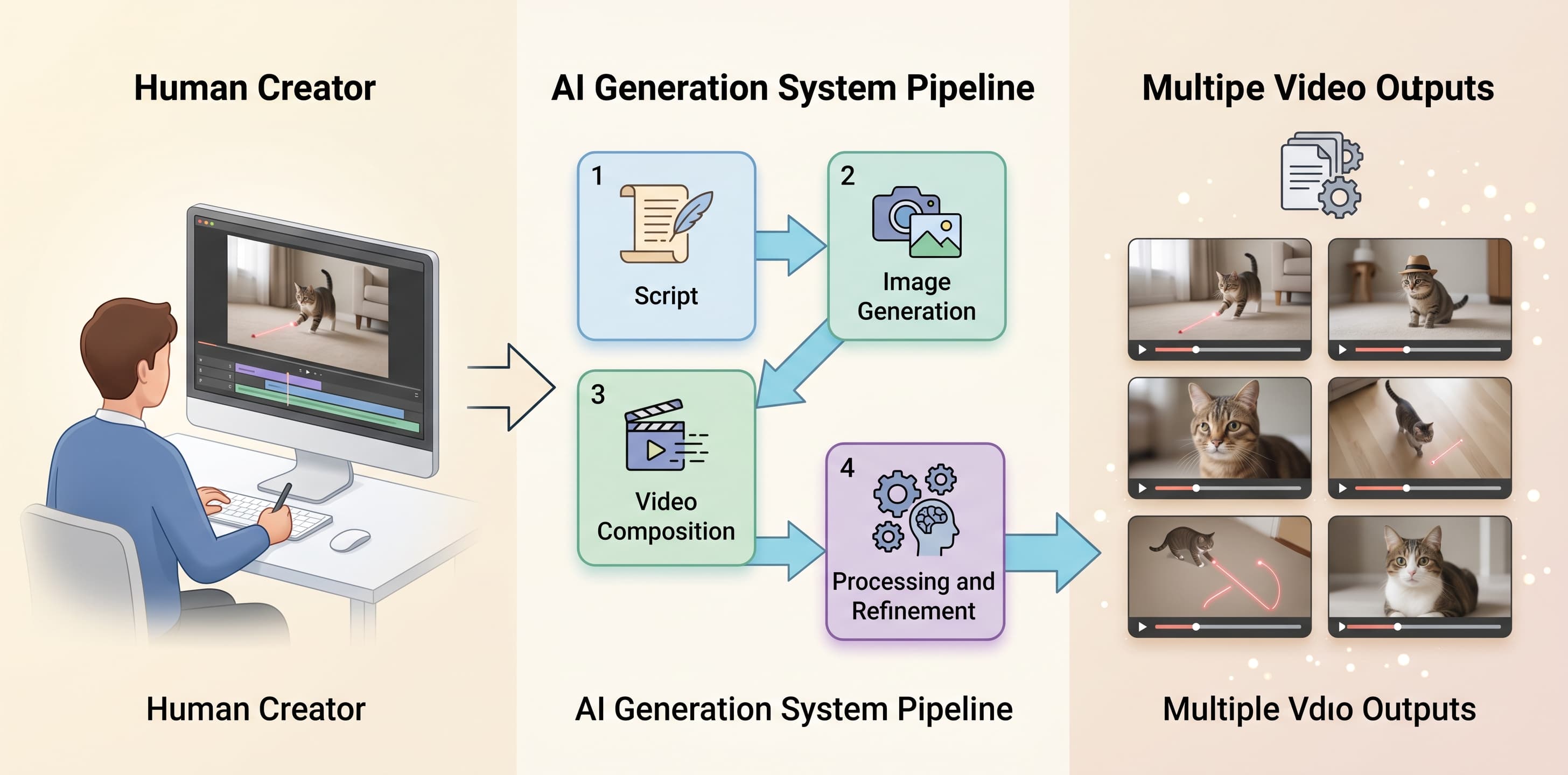
Create media content using AI-automated systems, offering students the experience of evolving traditional creation into a systematic workflow
Company one liner
“An AI media tech venture pioneering infrastructure that transforms artisanal video production into scalable, automated systems”
About the company
🇰🇷 GenTA
Website →This program is designed to deconstruct the nuances of high-fidelity manual video production and re-engineer them into a repeatable automation framework Key Course Objectives: - End-to-end planning and production of a high-quality video using AI tools - Structural deconstruction of the production process (Narrative, Visuals, Pacing, and Emotional Arc). - Parameterizing creative elements into reusable, modular asset - Architecting an "Automation Harness" capable of reproducing consistent quality at scale Final Deliverables: - One high-fidelity, manually crafted AI video - Production analysis and methodology documentation - Automation system design schematic - Library of optimized prompts and workflow templates - Two or more additional videos generated via the established automation system
CEO & mentors
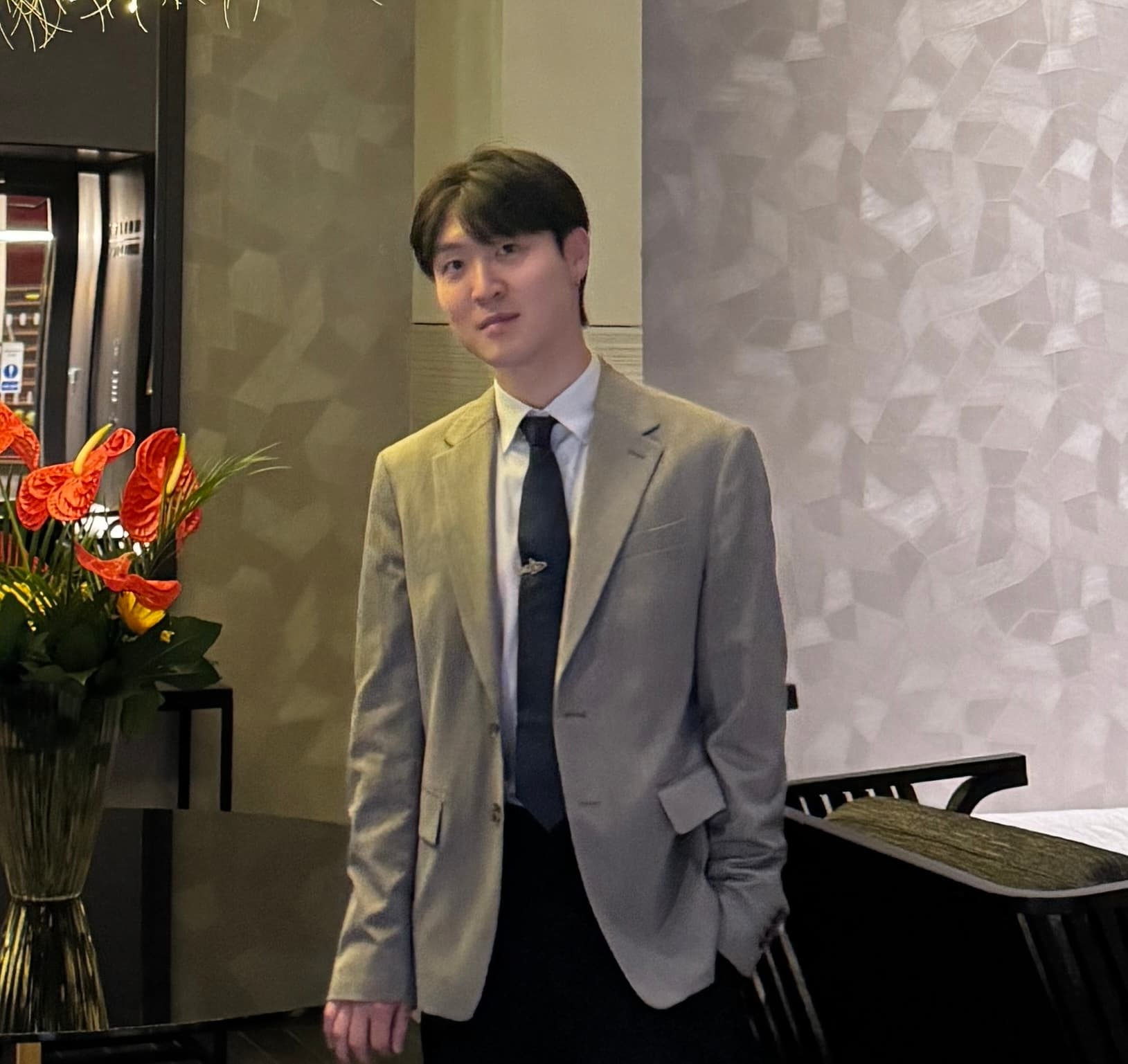
Jongwon Lee, CEO
- CEO, GenTA(AI Media Technology Startup)
- AI Content Generation Systems for Public Libraries
- 2026 Public Library Development and Operational Vitalization Project
- BA in Digital Arts Computing, Goldsmiths, University of London
Program curriculum
Session 1-1
Objective: To establish a comprehensive understanding of the AI video production framework Lecture: An overview of AI generative tools (e.g., Runway, Veo) and fundamental methods for content structuring Practical Exercise: Comparative analysis of sample videos focusing on style, emotional tone, and pacing Assignment: Topic selection and initial video concept development
Session 1-2
Objective: To develop core competencies in designing narrative structures for video Lecture: Mastering the three-act structure, scene design, and emotional arc composition Practical Exercise: Production of a storyboard based on a 3-scene sequence Assignment: Completion of a formal video script
Session 2-1
Objective: Achieving visual consistency across generated assets Lecture: Advanced Prompt Engineering and strategies for maintaining consistent styles Practical Exercise: Generating consistent character designs and environmental background assets Assignment: Preparation of a finalized visual library for video production
Session 2-2
Objective: Producing high-fidelity video content through manual control Lecture: Understanding Image-to-Video (I2V) conversion frameworks and scene composition techniques Practical Exercise: Production of a 20–30 second video sequence Assignment: Finalizing the video project and post-production polish
Session 3-1
Objective: Structuring the core components of video content Lecture: Conceptual deep dive into Tone, Pace, Emotion, and Style Practical Exercise: Deconstructing produced videos and analyzing individual elements Assignment: Formal documentation of the production process
Session 3-2
Objective: Transforming the creative process into a scalable system Lecture: Designing Input-Output architectures and defining optimized workflows Practical Exercise: Architecting the end-to-end video generation process Assignment: Development of a comprehensive system design schematic
Session 4-1
Objective: Establishing a reproducible framework for iterative generation Lecture: Understanding Prompt Templates and the architecture of automation Practical Exercise: Designing an automated production workflow Assignment: Generating two additional video sequences using the established system
Session 4-2
Objective: Verifying system scalability and performance Lecture: Outcome evaluation metrics and strategies for continuous improvement Practical Exercise: Final presentation of results and comparative analysis